Legal Process Optimization: 6 Practical Steps to Cut Costs, Save Time, and Reduce Risk
Legal Process Optimization: Practical Steps to Cut Cost, Time, and Risk Why legal process optimization mattersLegal teams are under continual pressure to do more with less while managing growing compliance and risk demands. Optimizing legal processes delivers faster turnaround, predictable costs, fewer errors, and better alignment with business goals. Firms and corporate legal departments that […]
Legal Process Optimization: Practical Steps to Cut Cost, Time, and Risk
Why legal process optimization matters
Legal teams are under continual pressure to do more with less while managing growing compliance and risk demands.
Optimizing legal processes delivers faster turnaround, predictable costs, fewer errors, and better alignment with business goals. Firms and corporate legal departments that streamline workflows free up attorneys for higher-value work and provide measurable business impact.
Core areas to optimize
– Contract lifecycle management (CLM): Standardize templates, automate approvals, and centralize version control to reduce negotiation cycles and avoid missed obligations.
– Matter and spend management: Use matter intake forms, triage rules, and e-billing controls to reduce ad hoc work and improve budget adherence.
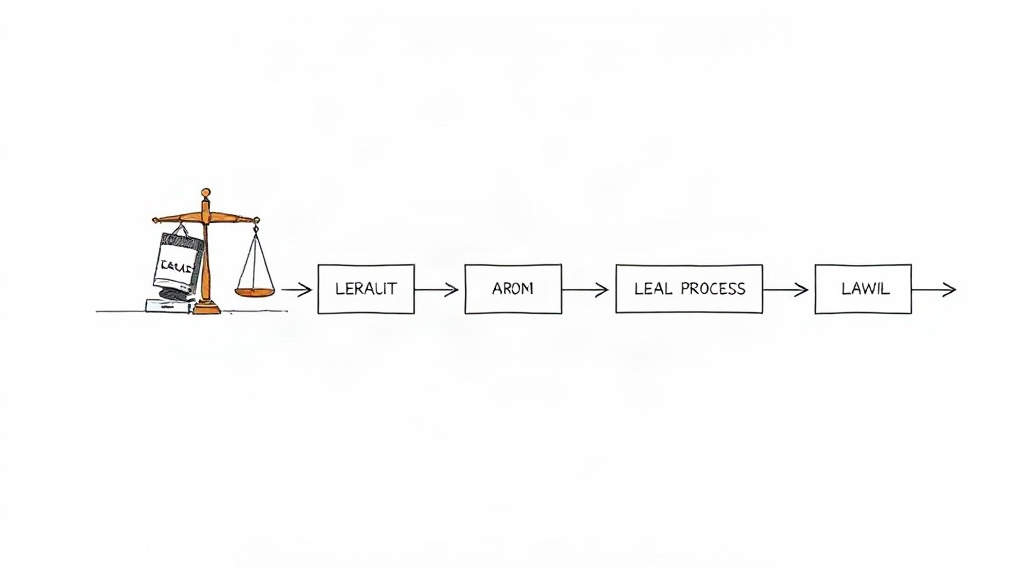
– Document production and review: Implement document automation for repetitive drafting and template-based clauses to cut drafting time dramatically.
– Compliance and e-discovery readiness: Keep consistent retention policies, legal holds, and searchable repositories to reduce legal exposure and accelerate discovery.
– Knowledge management: Capture precedent language, playbooks, and post-matter lessons to prevent repeat work and surface expertise faster.
A simple roadmap to optimization
1. Diagnose: Map current workflows, identify bottlenecks, and quantify time and cost per process step. Shadow users and collect data from systems and stakeholders.
2. Prioritize: Score processes by frequency, cost, risk, and ease of improvement.
Start where effort is high but change is achievable, like contract intake or NDAs.
3. Design: Rebuild the workflow with fewer handoffs, clear decision gates, and standardized templates or clauses. Define SLAs and ownership for each step.
4. Select technology: Choose tools that integrate with your document repository, email, and matter management systems. Favor solutions with prebuilt connectors and configurable workflows.
5.
Pilot and train: Run a controlled pilot, gather feedback, refine the workflow, and provide role-based training before rolling out broadly.
6. Measure and iterate: Track agreed KPIs, publish results to stakeholders, and continuously refine processes based on real-world use.
KPIs that show real value
– Cycle time per matter or contract (goal: significant reduction)
– Cost per matter or per contract processed
– Percentage of automated steps versus manual interventions
– Number of compliance breaches or missed obligations
– User adoption rate and satisfaction score
– Time saved for senior counsel, measured in billable-equivalent hours
Common pitfalls and how to avoid them
– Over-automation: Automating a broken process simply speeds up inefficiency. Redesign before automating.
– Poor change management: Involve stakeholders early, clarify benefits for each role, and offer practical training.
– Fragmented data: Without a single source of truth, automation fails. Consolidate or federate data first.
– Ignoring governance and security: Make data protection and audit trails part of the design, not an afterthought.
Maximizing ROI
Quick wins often come from standardizing common documents, automating approvals, and introducing intake triage. Longer-term gains arise from connecting systems, implementing predictive analytics for litigation risk, and embedding legal checks into business workflows. Track time saved, reduction in external spend, and avoided compliance costs to quantify impact.
Optimizing legal processes is a continuous journey, not a one-time project. With clear priorities, pragmatic technology choices, and disciplined measurement, legal teams can transform from reactive responders into proactive business partners.